You want to explore your strengths as a talent?

This way

Login

Affinity bias (mini-me effect): The similarity error

Home
-
Lexicon
-
Affinity bias (mini-me effect): The similarity error

Definition: Affinity Bias (Mini-Me effect, similarity error)

The affinity bias — also known as the mini-me effect, affinity distortion, or similarity error — is an unconscious bias in which people tend to prefer those who are similar to them. This may relate to common interests, backgrounds, experiences, or other personal characteristics.

Examples of affinity bias

Do you know that?

You particularly like the new colleague because you are both Victoria Berlin fans and happened to grow up in the same city.

What is the reason for that?

This is due to the similarity error

The Affinity bias in hiring states that we More likely to like and hire people who are like us, whether through shared hobbies, education, or even ethnicity.

It will be Concluded from a characteristic perceived as positive about a person's overall impression. The standard here is Resemblance to yourself, which is also why from “Mini-Me Effect” is spoken (Voss, 2014).

People who are similar to yourself appear automatically more likeable and you tend to attribute positive qualities to them (Agarwal, 2018). This mechanism is based on the fact that the Illusion is created, you already know yourself well and could therefore assess the other person well.

What else is a bias? We explain:

A bias generally describes a systematic distortion in human perception, thinking, or behavior. It is a type of “mental abbreviation” or Bias that subconsciously influences our judgment and decision making.

These distortions can result from personal experiences, cultural influences, emotional states or evolutionary thought patterns. While they often help us make quick decisions, they can also lead to miscalculations and irrational decisions.

Other examples of biases in the HR process include:

Identifying our own biases is the first step towards becoming more aware and more objective decisions within personnel selection to be able to meet.

Home
-
lexicon
-
Affinity bias (mini-me effect): The similarity error

Definition: Affinity Bias (Mini-Me effect, similarity error)

The affinity bias — also known as the mini-me effect, affinity distortion, or similarity error — is an unconscious bias in which people tend to prefer those who are similar to them. This may relate to common interests, backgrounds, experiences, or other personal characteristics.

Examples of affinity bias

Do you know that?

You particularly like the new colleague because you are both Victoria Berlin fans and happened to grow up in the same city.

What is the reason for that?

This is due to the similarity error

The Affinity bias in hiring states that we More likely to like and hire people who are like us, whether through shared hobbies, education, or even ethnicity.

It will be Concluded from a characteristic perceived as positive about a person's overall impression. The standard here is Resemblance to yourself, which is also why from “Mini-Me Effect” is spoken (Voss, 2014).

People who are similar to yourself appear automatically more likeable and you tend to attribute positive qualities to them (Agarwal, 2018). This mechanism is based on the fact that the Illusion is created, you already know yourself well and could therefore assess the other person well.

What else is a bias? We explain:

A bias generally describes a systematic distortion in human perception, thinking, or behavior. It is a type of “mental abbreviation” or Bias that subconsciously influences our judgment and decision making.

These distortions can result from personal experiences, cultural influences, emotional states or evolutionary thought patterns. While they often help us make quick decisions, they can also lead to miscalculations and irrational decisions.

Other examples of biases in the HR process include:

Identifying our own biases is the first step towards becoming more aware and more objective decisions within personnel selection to be able to meet.

Heading 1

Heading 2

Heading 3

Heading 4

Heading 5
Heading 6

Lorem ipsum dolor sit amet, consectetur adipiscing elit, sed do eiusmod tempor incididunt ut laboratories et dolore magna aliqua. Ut Enim ad Minim Veniam, Quis Nostrud Exercitation Ullamco Laboris Nisi ut Aliquip ex ea Commodo Consequat. Duis aute irure dolor in reprehenderite in voluptate velit eat cillum dolore eu fugiate nulla pariature.

Block quote

Ordered list

  1. Item 1
  2. Item 2
  3. Item 3

Unordered list

  • Item A
  • Item B
  • Item C

Text link

Bold text

Emphasis

Superscript

Subscript

Heading 1

Heading 2

Heading 3

Heading 4

Heading 5
Heading 6

Lorem ipsum dolor sit amet, consectetur adipiscing elit, sed do eiusmod tempor incididunt ut laboratories et dolore magna aliqua. Ut Enim ad Minim Veniam, Quis Nostrud Exercitation Ullamco Laboris Nisi ut Aliquip ex ea Commodo Consequat. Duis aute irure dolor in reprehenderite in voluptate velit eat cillum dolore eu fugiate nulla pariature.

Block quote

Ordered list

  1. Item 1
  2. Item 2
  3. Item 3

Unordered list

  • Item A
  • Item B
  • Item C

Text link

Bold text

Emphasis

Superscript

Subscript

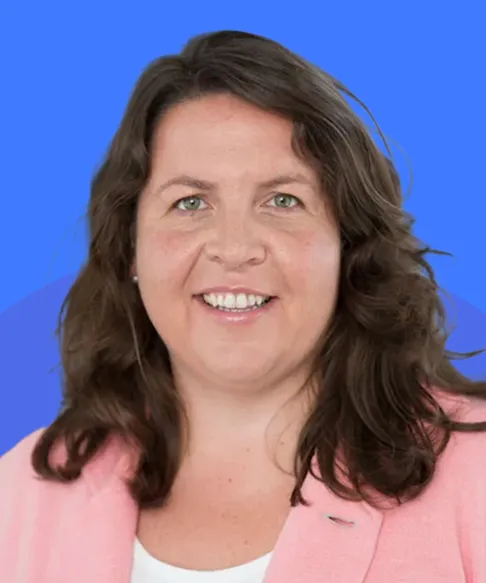
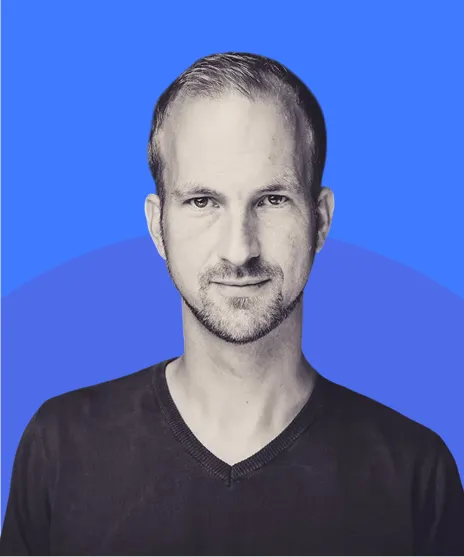
Florian Dyballa

CEO, Co-Founder

About Florian

  • Founder & CEO of Aivy — develops innovative ways of personnel diagnostics and is one of the top 10 HR tech founders in Germany (business punk)
  • More than 500,000 digital aptitude tests successfully used by more than 100 companies such as Lufthansa, Würth and Hermes
  • Three times honored with the HR Innovation Award and regularly featured in leading business media (WirtschaftsWoche, Handelsblatt and FAZ)
  • As a business psychologist and digital expert, combines well-founded tests with AI for fair opportunities in personnel selection
  • Shares expertise as a sought-after thought leader in the HR tech industry — in podcasts, media, and at key industry events
  • Actively shapes the future of the working world — by combining science and technology for better and fairer personnel decisions
success stories

You can expect these results

Discover what successes other companies are achieving by using Aivy. Be inspired and do the same as they do.

Many innovative employers already rely on Aivy

Say that #HeRoes

“Through the very high response rate Persuade and retain We our trainees early in the application process. ”

Tamara Molitor
Training manager at Würth
Tamara Molitor

“That Strengths profile reflects 1:1 our experience in a personal conversation. ”

Wolfgang Böhm
Training manager at DIEHL
Wolfgang Böhm Portrait

“Through objective criteria, we promote equal opportunities and Diversity in recruiting. ”

Marie-Jo Goldmann
Head of HR at Nucao
Marie Jo Goldmann Portrait

Aivy is the bestWhat I've come across so far in the German diagnostics start-up sector. ”

Carl-Christoph Fellinger
Strategic Talent Acquisition at Beiersdorf
Christoph Feillinger Portrait

“Selection process which Make fun. ”

Anna Miels
Learning & Development Manager at apoproject
Anna Miels Portrait

“Applicants find out for which position they have the suitable competencies bring along. ”

Jürgen Muthig
Head of Vocational Training at Fresenius
Jürgen Muthig Fresenius Portrait

“Get to know hidden potential and Develop applicants in a targeted manner. ”

Christian Schütz
HR manager at KU64
Christian Schuetz

Saves time and is a lot of fun doing daily work. ”

Matthias Kühne
Director People & Culture at MCI Germany
Matthias Kühne

Engaging candidate experience through communication on equal terms. ”

Theresa Schröder
Head of HR at Horn & Bauer
Theresa Schröder

“Very solid, scientifically based, innovative even from a candidate's point of view and All in all, simply well thought-out. ”

Dr. Kevin-Lim Jungbauer
Recruiting and HR Diagnostics Expert at Beiersdorf
Kevin Jungbauer
YOUR assistant FOR TALENT ASSESSMENT

Try it for free

Become a HeRo 🦸 and understand candidate fit - even before the first job interview...